Three takeaways in circular business models and communication

A couple of weeks ago, we hosted a webinar about circular business models together with Therese Gerdman, Marketing and Communication Manager at IKEA. During the event, Therese gave a brief introduction to what sustainable economy is and how you can communicate sustainability. Here are three takeaways from the event!
Circular and regenerative models of growth are the future
Resource scarcity is one of the biggest challenges we face today. Circularity, and circular economy, aims to keep products and resources in a loop - to reuse and recycle them, instead of throwing them away.
IKEA has set a goal that in 2030, their products will be 100% circular, and all materials used will be recycled or reusable. The goal leads the way to new business opportunities and further growth through initiatives such as a care and repair offer as well as a secondhand store.
We live in a world with finite resources and that should be reflected in our business models. Sustainability is also becoming a bigger dealbreaker than ever for customers, so in order for your startup to stay relevant, working actively with sustainability is key!
Both production and consumption patterns need to change
In order to make change, we need a radical shift in mindset. We need to adopt a circular way of thinking - make, use, and recycle - rather than a linear.
Consumers, businesses and governments must work together in a holistic approach, and realize that we are all part of the same system. What one part does will affect the others, as they are interrelated.
A shift has already begun. The sharing economy, previously called collaborative consumption, has risen in the past years due to technological possibilities and economical necessities. The sharing economy encourages borrowing and splitting on things, rather than buying them. It has given us companies such as Uber, Airbnb, and Swedish company Hygglo, where you can rent pretty much anything.
We can’t reach all people, but we can reach many
Up until now, there has been a quite apocalyptic tone in how we communicate about climate change, resource scarcity etc. However, the horrible facts that have been highlighted over the years still haven’t been enough to force us to change our behavior or our values.
Instead, people need a heartfelt conviction of the need to change.
Communications can actually play a big roll when it comes to changing mindset and behaviours. It needs to adressed in the media, by companies and even in schools. When all parties - from governments, NGO's to manufacturers and consumers - the real change and impact can be made.
About Minc
Minc is Malmö's leading growth engine and the driving force behind Southern Sweden's innovation economy. Home to Fast Track Malmö, Skåne Ventures, and a portfolio spanning more than 40 nationalities, Minc has turned some of the region's most ambitious founders into world-class companies. Founded in 2002 and owned by the City of Malmö. minc.se
Related Posts
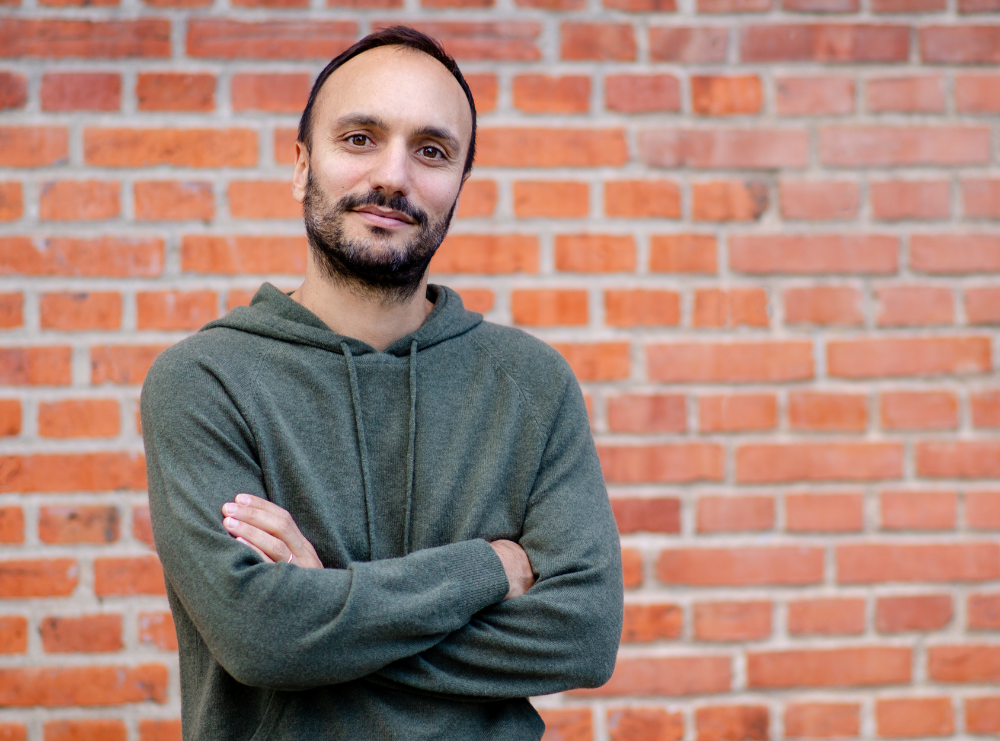
DBtune: Automating Databases with Trust and Impact
When it comes to enterprise databases, the work is still surprisingly manual. Performance tuning requires experts, time, and constant attention. Many companies compensate by overprovisioning hardware, which is expensive and inefficient. DBtune is changing that. We sat down with founder Luigi Nardi to hear how the company uses AI to automate tuning without compromising trust.
Learn more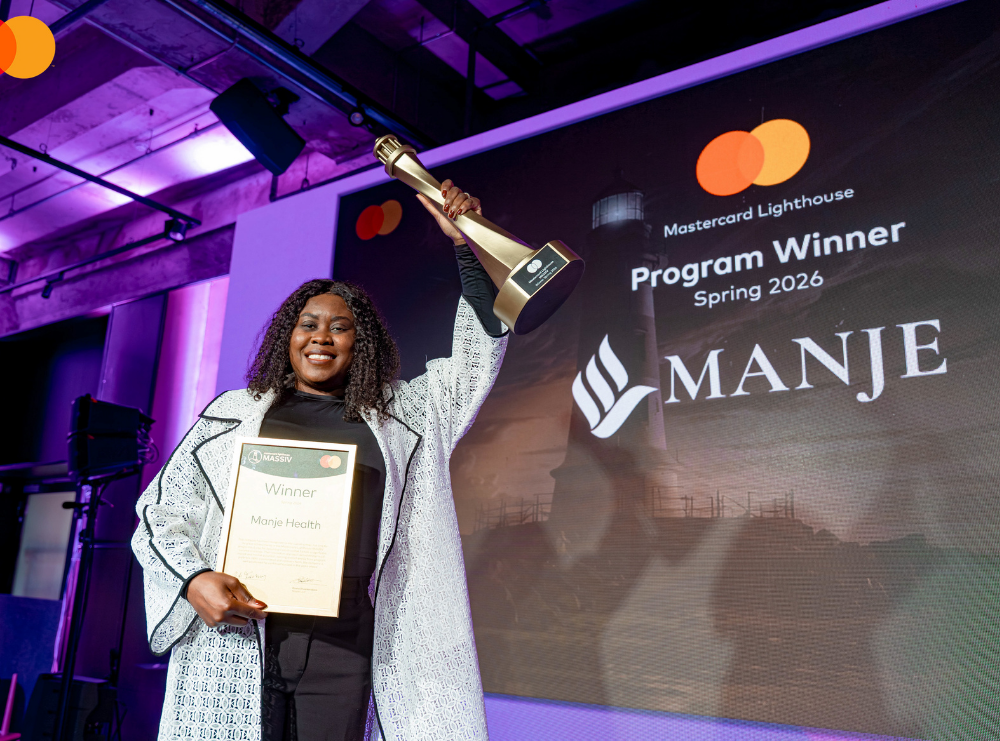
Manje Health revolutionizes international healthcare money transfer system
For millions of people living abroad, sending money home is more than a financial transaction—it’s a lifeline. Manje Health, a Malmö-based startup incubated at Minc, is changing that with a purpose-built, closed-loop infrastructure designed to ensure that essential medical care reaches those who need it most.
Learn more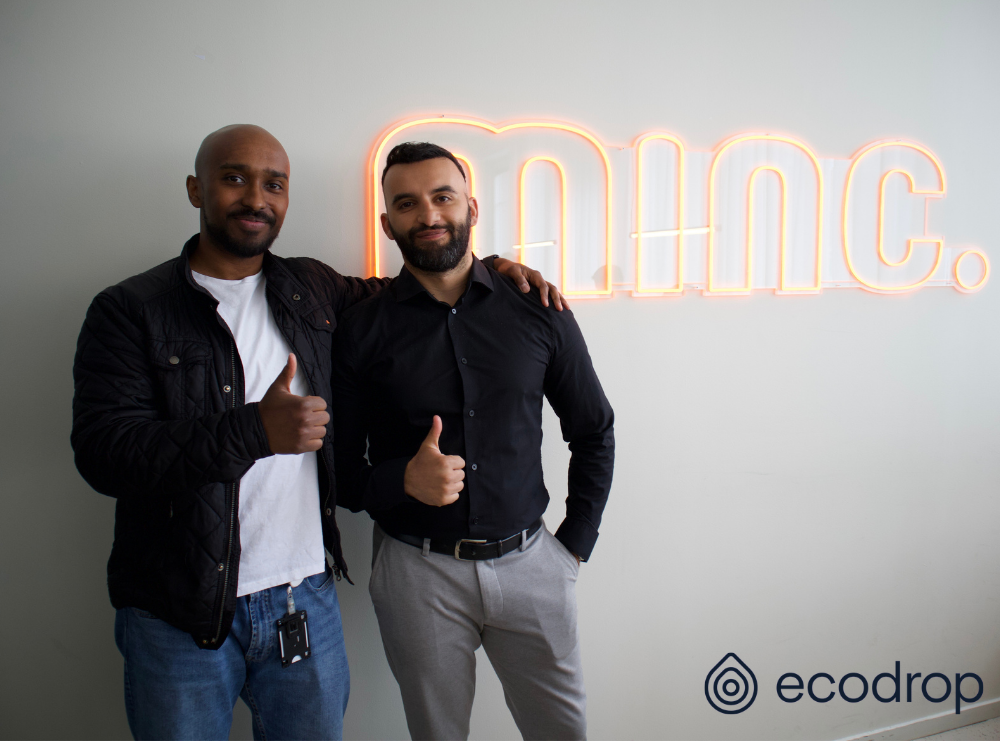
Southern Sweden has a water crisis. Ecodrop built the answer.
Ecodrop’s tap-mounted water intelligence device cuts household water use by 43% through real-time data and behavioural nudging as Southern Sweden faces its most severe groundwater shortage in years.
Learn more